
Breaking the Chains
of Aging
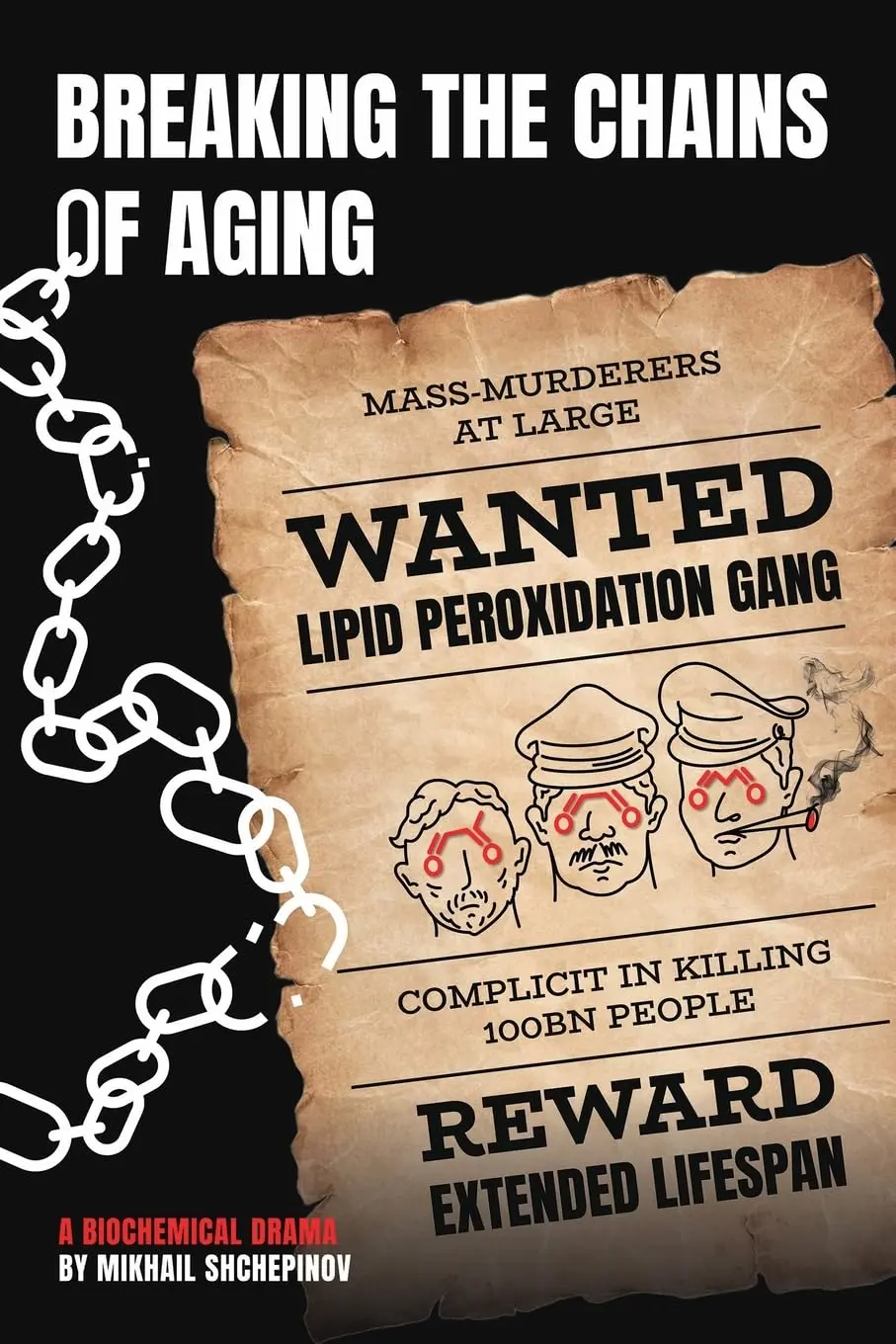
A powerful but neglected engine of aging is rumbling in every cell of our body: the chain reaction of lipid peroxidation. Lifespan and healthspan are both impaired by this subversive machine, yet antioxidants do not amount to much more than a broom against a Californian wildfire. This book surveys the trouble and suggests an accessible remedy: D‑PUFAs.
“Knowledge isn’t free. You have to pay attention.”
— Richard P. Feynman
“In the presence of oxygen, everything burns.”
— Natalie Angier
“The dose makes the poison.”
— Paracelsus
“Freedom is living without chains.”
— Indra Devi
“Explosions are not comfortable.”
— Yevgeny Zamyatin
“Friends don’t let friends have Oxidative Stress.”
— A concerned friend
“We forge the chains we wear in life.”
— Charles Dickens
“You have nothing to lose but your chains.”
— Karl Marx
“The eye altering, alters all.”
— William Blake
“When we are oxidized, we call it aging.”
— Steven Austad
“To live forever or die in the attempt.”
— Joseph Heller
“Heavy metal is immortal, but we’re not.”
— Rob Halford
Why Read This Book
Blurbs

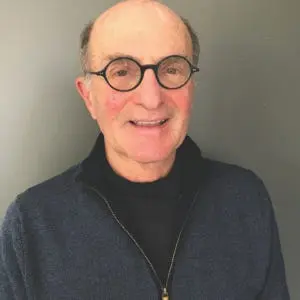
J. Thomas Brenna
Ph.D., Professor of Pediatrics, Chemistry, and Nutrition at Dell Medical School (UT Austin)
“With sharp wit and keen insight, my friend Misha takes us on an extraordinary tour through the biochemistry of aging. Oxygen — that double-edged sword driving the fire of life — sustains our metabolism while simultaneously escaping to wreak havoc on our most vulnerable biomolecules: the polyunsaturated lipids. Misha's elegant solution to reinforce these molecules of life offers a brilliant approach to taming one of aging's most insidious culprits, potentially unlocking new pathways in our struggle against neurodegeneration.”
Charles R. Cantor
Ph.D., Molecular Geneticist and Biophysicist. Former CSO of Sequenom
“Food for thought: suppose there were a food supplement that actually protects brain health? Wouldn't taking it be irresistible? This book describes the biology and chemistry that plays a role in many brain diseases. Oxidative damage to these molecules is rampant as we age. The author Mikhail Shchepinov is the inventor of a supplement, deuterated long chain fatty acids, which shows great promise in slowing the damage and may be protective in many age-related diseases. A charming mixture of science and personal recollections.”
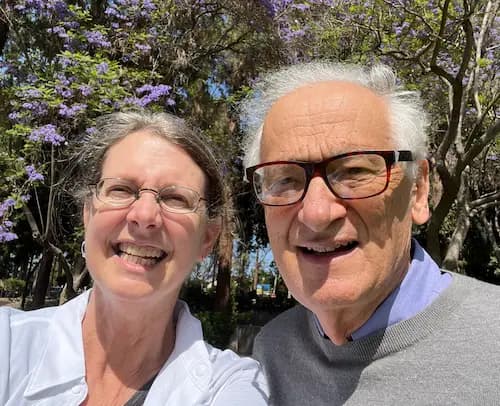
Catherine F. Clarke
Ph.D., Professor of Chemistry, UCLA
Steven G. Clarke
Ph.D., Professor of Biochemistry, UCLA
“Fresh, refreshing, and a fun read. His writing is chatty, irreverent, and scientifically sound. He provides a new look at the importance of lipid-oxygen chemistry and readers will appreciate what happens when lipids meet atmosphere. There are great examples of how lipid chemistry impacts our lives — from art, to linoleum floors, to penguins. An exciting ride into the field of anti-aging.”

Aubrey D.N.J. de Grey
Ph.D., Biomedical Gerontologist. President of the LEV Foundation
“Shchepinov is a true biomedical groundbreaker. His insight, now dating back over 20 years, that the isotope effect might have medical utility was so outlandish that even I, one of the field's prouder heretics, was initially inclined to dismiss it. How glad I am that I put my doubts aside and helped his vision to become the proven concept that it is today. Shchepinov presents the idea in a form that should be easily digestible by the layperson. Its time has come!”

Barry Halliwell
D.Sc., Distinguished Professor at NUS. Chairman, Biomedical Advisory Council at A*STAR
“Lipid peroxidation is a fundamental mechanism of oxidative damage that has been studied for over 100 years. The recent discovery of ferroptosis has re-awakened interest in iron, lipid peroxidation and glutathione peroxidases. In this amusing, provocative and sometimes iconoclastic book, Misha Shchepinov explores the role of fatty acids, lipid peroxidation and iron in human health and disease, and presents an argument that deuterated fatty acids may be important therapeutic agents, especially for neurodegenerative diseases. It is a good read, I recommend it.”

Ned Porter
Ph.D., Stevenson Professor of Chemistry, Vanderbilt University
“Misha Shchepinov covers a lot of ground in this engaging tour of the chemistry and biology of molecular oxygen, lipids and free radicals. From the Great Oxygenation Event and a manifesto for the importance of lipids, the poor cousins of life's building blocks, to reactive oxygen species and deuterium isotope effects, Breaking the Chains of Aging has something of interest for curious nonexperts or experienced lipid scientists. The basics of the peroxidation chain reaction and the vulnerability of polyunsaturated (PUFA) lipids to peroxidation is presented clearly, with asides calling attention to the fact that the ground-rules for lipid peroxidation have been uncovered by an international group of scientists in the last four decades. This chatty presentation sprinkled with essential lipid structures and mechanisms makes for an easy entry to the field. The expert lipid scientist will appreciate Shchepinov's outline of the historical setting for advances in the field as well as the health consequences and potential therapies for the peroxidative assault on cellular lipids. His outline for exploiting the isotope effect to defend cellular lipids from peroxidation emphasizes the opportunities as well as the challenges associated with translating a fundamental Fact of Nature to a positive health outcome.”
Table of Contents
1. Abbreviations and preface
1.1. Polyunsaturated fatty acid (PUFA) manifesto
1.2. Chain reaction: a portrait in oils
1.3. Linoleum brain
2. Troupe of LPO actors performing in our body
Lectures, Interviews & Press Coverage
Tucker Goodrich: Debugging Life — Ep. 25
Podcast interview discussing deuterated lipids, lipid peroxidation, and the science behind Breaking the Chains of Aging.
About the Author

Mikhail S. Shchepinov, PhD
Bioorganic Chemistry
Dr. Shchepinov has a PhD degree in bioorganic chemistry. He worked in academia and biotech in Oxford, UK and San Diego, USA, and is currently affiliated with several universities.
Read full bio and selected publicationsFrequently Asked Questions
What is an isotope?
What is peroxidation?
How do chemical isotopes work?
Is lipid peroxidation the driver of aging?
Ask a Question
We welcome questions from the scientific community and interested readers regarding Deuterium, Lipid Peroxidation, and the chemistry of aging.
Please check our FAQ section first, as your question may already be answered there