
Breaking the Chains
of Aging
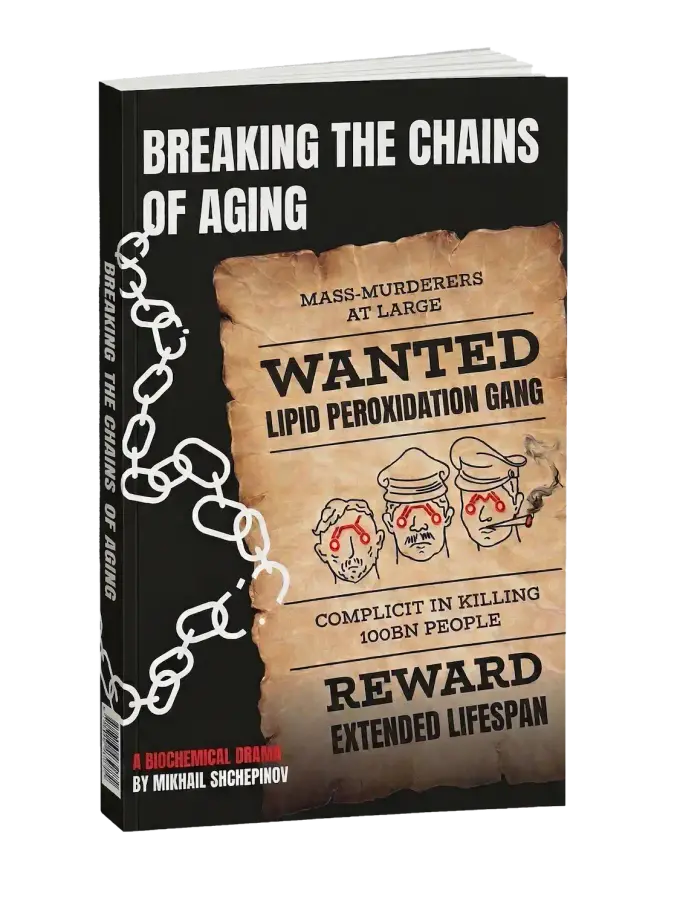
A powerful yet overlooked engine of aging is rumbling away in every cell of our body: the runaway chain reaction of lipid peroxidation. Lifespan and healthspan are both eroded by this subversive machine, yet antioxidants do not amount to much more than a broom against a Californian wildfire. This book lays out the problem and suggests an accessible remedy: D‑PUFAs. The book is 1 part science + 2 parts wisecracks = the ultimate bestseller recipe, if public opinion polls are to be trusted.
Available as paperback on Amazon or instant PDF download
“Knowledge isn’t free. You have to pay attention.”
— Richard P. Feynman
“In the presence of oxygen, everything burns.”
— Natalie Angier
“The dose makes the poison.”
— Paracelsus
“Freedom is living without chains.”
— Indra Devi
“Explosions are not comfortable.”
— Yevgeny Zamyatin
“Friends don’t let friends have Oxidative Stress.”
— A concerned friend
“We forge the chains we wear in life.”
— Charles Dickens
“You have nothing to lose but your chains.”
— Karl Marx
“The eye altering, alters all.”
— William Blake
“When we are oxidized, we call it aging.”
— Steven Austad
“To live forever or die in the attempt.”
— Joseph Heller
“Heavy metal is immortal, but we’re not.”
— Rob Halford
Why Read This Book About Lipid Peroxidation & Aging
The Problem: Lipid Peroxidation (LPO)
Oxygen, while essential, creates damaging free radicals. LPO is a particularly destructive, self-propagating chain reaction that degrades fats in the body, accumulating waste products that accelerate aging.
Read moreThe Limitation of Antioxidants
Antioxidants are inefficient against LPO because they can't stop the chain reaction once it starts. The exponential nature of the damage overwhelms the body's natural defenses.
Read moreTentacles of LPO are stretching far and wide
LPO affects every cell in the body, everywhere and everywhen, leading to neurological, retinal, metabolic, mitochondrial and many other age-related diseases.
Read moreD-PUFAs: Long Live “Live Long”!
The book introduces D-PUFAs: lipids engineered to resist oxidation but otherwise essentially identical to their natural counterparts. By reducing oxidative damage, they may contribute to improved cellular resilience and extended healthspan.
Read moreBlurbs

J. Thomas Brenna
Ph.D., Professor of Pediatrics, Chemistry, and Nutrition at Dell Medical School (UT Austin)
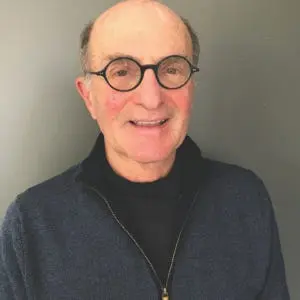
“With sharp wit and keen insight, my friend Misha takes us on an extraordinary tour through the biochemistry of aging. Oxygen — that double-edged sword driving the fire of life — sustains our metabolism while simultaneously escaping to wreak havoc on our most vulnerable biomolecules: the polyunsaturated lipids. Misha's elegant solution to reinforce these molecules of life offers a brilliant approach to taming one of aging's most insidious culprits, potentially unlocking new pathways in our struggle against neurodegeneration.”
Charles R. Cantor
Ph.D., Molecular Geneticist and Biophysicist. Former CSO of Sequenom
“Food for thought: suppose there were a food supplement that actually protects brain health? Wouldn't taking it be irresistible? This book describes the biology and chemistry that plays a role in many brain diseases. Oxidative damage to these molecules is rampant as we age. The author Mikhail Shchepinov is the inventor of a supplement, deuterated long chain fatty acids, which shows great promise in slowing the damage and may be protective in many age-related diseases. A charming mixture of science and personal recollections.”
Catherine F. Clarke
Ph.D., Professor of Chemistry, UCLA
Steven G. Clarke
Ph.D., Professor of Biochemistry, UCLA
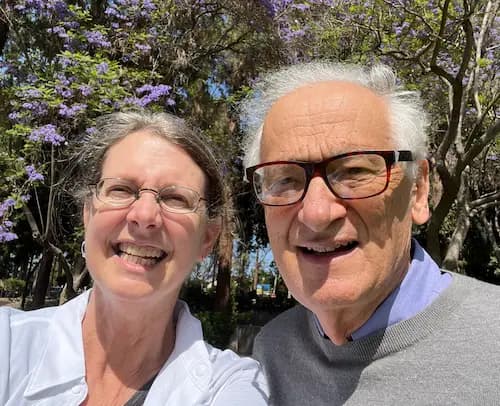
“Fresh, refreshing, and a fun read. His writing is chatty, irreverent, and scientifically sound. He provides a new look at the importance of lipid-oxygen chemistry and readers will appreciate what happens when lipids meet atmosphere. There are great examples of how lipid chemistry impacts our lives — from art, to linoleum floors, to penguins. An exciting ride into the field of anti-aging.”
Aubrey D.N.J. de Grey
Ph.D., Biomedical Gerontologist. President of the LEV Foundation
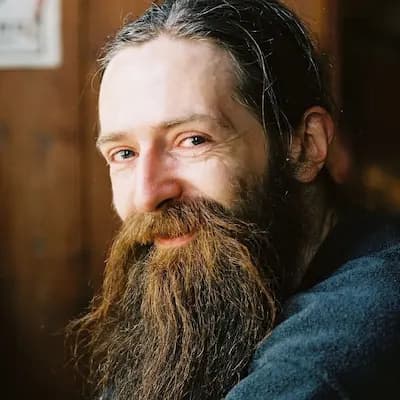
“Shchepinov is a true biomedical groundbreaker. His insight, now dating back over 20 years, that the isotope effect might have medical utility was so outlandish that even I, one of the field's prouder heretics, was initially inclined to dismiss it. How glad I am that I put my doubts aside and helped his vision to become the proven concept that it is today. Shchepinov presents the idea in a form that should be easily digestible by the layperson. Its time has come!”

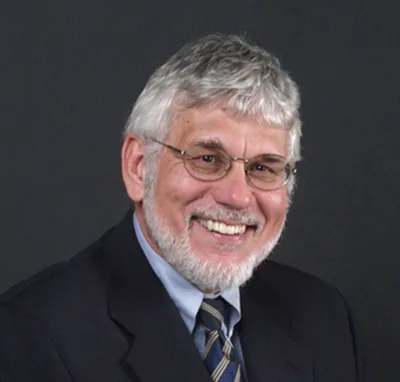
Barry Halliwell
D.Sc., Distinguished Professor at NUS. Chairman, Biomedical Advisory Council at A*STAR
“Lipid peroxidation is a fundamental mechanism of oxidative damage that has been studied for over 100 years. The recent discovery of ferroptosis has re-awakened interest in iron, lipid peroxidation and glutathione peroxidases. In this amusing, provocative and sometimes iconoclastic book, Misha Shchepinov explores the role of fatty acids, lipid peroxidation and iron in human health and disease, and presents an argument that deuterated fatty acids may be important therapeutic agents, especially for neurodegenerative diseases. It is a good read, I recommend it.”
Ned Porter
Ph.D., Stevenson Professor of Chemistry, Vanderbilt University
“Misha Shchepinov covers a lot of ground in this engaging tour of the chemistry and biology of molecular oxygen, lipids and free radicals. From the Great Oxygenation Event and a manifesto for the importance of lipids, the poor cousins of life's building blocks, to reactive oxygen species and deuterium isotope effects, Breaking the Chains of Aging has something of interest for curious nonexperts or experienced lipid scientists. The basics of the peroxidation chain reaction and the vulnerability of polyunsaturated (PUFA) lipids to peroxidation is presented clearly, with asides calling attention to the fact that the ground-rules for lipid peroxidation have been uncovered by an international group of scientists in the last four decades. This chatty presentation sprinkled with essential lipid structures and mechanisms makes for an easy entry to the field. The expert lipid scientist will appreciate Shchepinov's outline of the historical setting for advances in the field as well as the health consequences and potential therapies for the peroxidative assault on cellular lipids. His outline for exploiting the isotope effect to defend cellular lipids from peroxidation emphasizes the opportunities as well as the challenges associated with translating a fundamental Fact of Nature to a positive health outcome.”
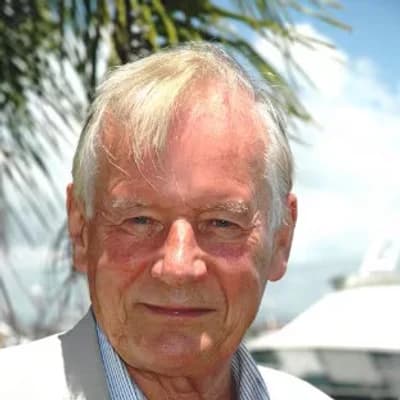
Michael A. Crawford
Ph.D., FRSB, FRSC, FRCPath. Visiting Professor, Imperial College London
“Wanted: “The Lipid Peroxidation Gang”. Let’s go get them. Oxygen is the most aggressive atom we know. We need it to carefully burn sugars and fats in a controlled manner to give us energy — but unfortunately, rogue oxygen atoms can escape from Nature’s highly organised supervision and start attacking sensitive molecules, indiscriminately. The brain’s signalling systems in its neurons and synapses are made with particularly vulnerable molecules. This book written by Misha goes a long way to understanding the dirty tricks of oxygen, how and where it is most harmful and what one can do to suppress its damage. I enjoyed reading it because it is written using wonderful, novel metaphors and analogies to explain quite complex biological events. The book furthermore adds a brand new dimension derived from Misha’s research: how heavy hydrogen atoms can completely arrest an attack by oxygen — brand new and exciting stuff. This is a book everyone who cares about brain health must read. Great story for two reasons: one, it introduces a brand new topic in molecular science of ageing, and two, it could help people live long, productive lives!” Read more“Wanted: “The Lipid Peroxidation Gang”. Let’s go get them.Oxygen is the most aggressive atom we know. Starting in the hellish temperatures of a super-nova, it aggressively attacks every other atom it could reach. It burnt silicon to form dust which formed rocks and sand and, fortunately for us, burnt the hydrogen to form water.Life began on this rocky planet 3.5 or so billion years ago. Single cellular life existed in the abundant water for the best part in an anaerobic environment. Death did not seem a feature. Living systems just seemed to have continually budded off. Then 600 million years ago, it was all change. Oxygen tension in the environment gradually increased and increased. Then there was a big bang called the Cambrian Explosion of air-breathing life. The fossil record tells us that all 32 phyla we know today came into existence in a brief biological time frame.Death was a new feature. All air-breathing animals died and still do today. 600 million years ago, the algae-like single cells turned into multicellular life, with sexual reproduction. The Avalon and then Cambrian Explosions of all phyla we have today occurred in a biologically brief time scale. Despite the 500 million years since then with Nature fashioning animal designs to exist in and on a great variety of ecological niches, none solved the problem of death. The conclusion one draws from this fact is that the feature responsible for the origin of animal life was also responsible for death. There was and is no escape. That feature was oxygen.This book written by Misha goes a long way to understanding the dirty tricks of oxygen, how and where it is most harmful and what one can do to suppress its damage. We need oxygen to carefully burn sugars and fats and occasionally proteins in a controlled manner to give us energy to grow and do things. But unfortunately, rogue oxygen atoms can escape from Nature’s highly organised supervision and start burning and attacking sensitive molecules, indiscriminately.The brain’s signalling systems in its neurons and synapses are made with particularly vulnerable molecules. Moreover, our brains occupy only 1.9% of our modern bodyweight — but it uses 20% of our oxygen supply. Put your hand on the head of a pet cat or dog and you will notice how hot it is. This is because it has hard work pushing ions against concentration gradients to make batteries to keep electricity flowing to keep our thoughts and responses to whatever is happening in rapid response working order. For which billions of electrons are sent from our eyes to be decoded by the brain, not to mention simultaneous integration of sounds and touch. The membranes which cloth our cells, control and send these signals, happen to be made with molecules which are paradoxically the most sensitive to peroxidation. Once started, peroxidation can run rampant, destroying large parts of many cell membranes even leading to the death of the cell or cells. When this happens to our especially sensitive neurons, the neuron dies and with it as many as 10,000 synapses will die. Eventually, the brain will die.I enjoyed reading this book because it is written using wonderful, novel metaphors and analogies to explain quite complex biological events and lead the reader to understanding what goes on and how to generate anti-oxidant protection. And moreover it is not just the brain that is the target of rogue oxygen atoms doing their dirty work. The book furthermore adds a brand new dimension derived from Misha’s research. He describes how heavy hydrogen atoms can completely arrest an attack by oxygen. This is brand new and exciting stuff. As a small rider on this new material, the sea is richer in heavy hydrogen — called heavy because it has two nucleons in its nucleus instead of one. It is richer in sea water. That makes me think that fish and sea food are known to enhance brain function and people like the Japanese, who eat fish and sea foods, have the best longevity. I can hear the nay-sayers say there cannot be enough. But Misha describes a very powerful anti-oxidant mechanism resulting from heavy hydrogen. Anyway, this is a book everyone who cares about brain health must read. Breaking the chain of oxygen’s dirty works is something we can do. Great story for two reasons. One, it introduces a brand new topic in molecular science of ageing, and two, it could help people live long, productive lives! So please read the book.”Show less
Look what the chain reaction does to your membranes
Table of Contents
1. Abbreviations and preface
1.1. Polyunsaturated fatty acid (PUFA) manifesto
1.2. Chain reaction: a portrait in oils
1.3. Linoleum brain
2. Troupe of LPO actors performing in our body
Lectures, Interviews & Press Coverage
Tucker Goodrich: Debugging Life — Ep. 25
Podcast interview discussing deuterated lipids, lipid peroxidation, and the science behind Breaking the Chains of Aging.
About the Author

Mikhail S. Shchepinov, PhD
Bioorganic Chemistry
Mikhail Shchepinov trained in Moscow (PhD, Shemyakin-Ovchinnikov Institute of Bioorganic Chemistry, 1994), then moved to Oxford to work on DNA microarray technology, combinatorial chemistry, and oligonucleotide dendrimers.
He worked in academia and biotech in Oxford, UK and San Diego, USA, and is affiliated with several universities.
Frequently Asked Questions
What dietary habits to break to slow down aging?
Aside from adopting the core approach discussed in this book (which would amount to adding a new habit rather than breaking an old one), the single most impactful habit to drop is the use of "vegetable" oils — both directly and in foods that contain them, such as mayonnaise and most processed products. Eliminating these oils entirely is a strong step toward stopping LPO, reducing oxidative stress and inflammaging, and slowing age-related damage.
Is it possible to halt aging?
We can't stop aging outright, but we can slow it down — potentially long enough for each new generation of therapies to extend our healthy years even further. This idea, often called "longevity escape velocity" by Aubrey de Grey, suggests that if medical advances keep arriving fast enough, each one buys us time to reach the next, hopefully, ad infinitum.
Is it too late to get healthy at 60?
No — but it is the moment to act. Recent research suggests that aging doesn't progress in a straight line; instead, it accelerates around ages 34–36, 40–44, and 60–64. Starting at 34 or 40 would have been ideal, but if those windows have passed, your early 60s are a critical point to make meaningful changes.
How do I look 10 years younger than my age?
As skin is the interface separating us from the world, maintaining healthy-looking skin is key to that goal. There is plenty of PUFAs in the skin, so preventing their peroxidation is a smart way to limit inflammation, malodor and lipofuscin formation. D-PUFAs may help reduce LPO in the skin, but so will minimizing the sun exposure. If you choose to get tattoos, avoid excessive sunlight on them, and try to use inks free of transition metals. For more detail, see section 4.7. "Skin in the Game" in the book.
Ask a Question
We welcome questions from the scientific community and interested readers regarding Deuterium, Lipid Peroxidation, and the chemistry of aging.
Please check our FAQ section first, as your question may already be answered there
info@breakingaging.com
Start reading — Chapter 1 is free
The book’s opening, cover to cover: Van Gogh’s rancid oils and the chain reaction that ages every cell. 1 part science, 2 parts wisecracks.
Instant download. Occasional emails about the science — unsubscribe anytime. See our privacy policy.