
5. D-PUFA against neurological, retinal and metabolic diseases
What are D-PUFA health benefits?
In animal studies, D-PUFAs have prevented or reduced damage in neurological diseases (Alzheimer's, Parkinson's, ALS), retinal degeneration, metabolic disorders, and mitochondrial dysfunction. By slowing lipid peroxidation at the membrane level, they protect cells across multiple organ systems.
D-PUFAs prevented or mitigated various pathologies in multiple animal disease models. The scope is remarkably broad:
- Neurological: including Alzheimer's, Parkinson's, Huntington's, ALS, Friedreich's ataxia, INAD, PSP and Traumatic Brain Injury (TBI)
- Retinal: including AMD, diabetic retinopathy, glaucoma and retinitis pigmentosa
- Metabolic: including atherosclerosis and diabetes
- Other: mitochondrial, skin-related, and other indications.
D-PUFAs had a strong effect on the ALDH2 animal model (“Asian flush”, “Asian glow”). Aging was also slowed in various models.
D-PUFAs do break the chain (reaction) of aging!
The common denominator
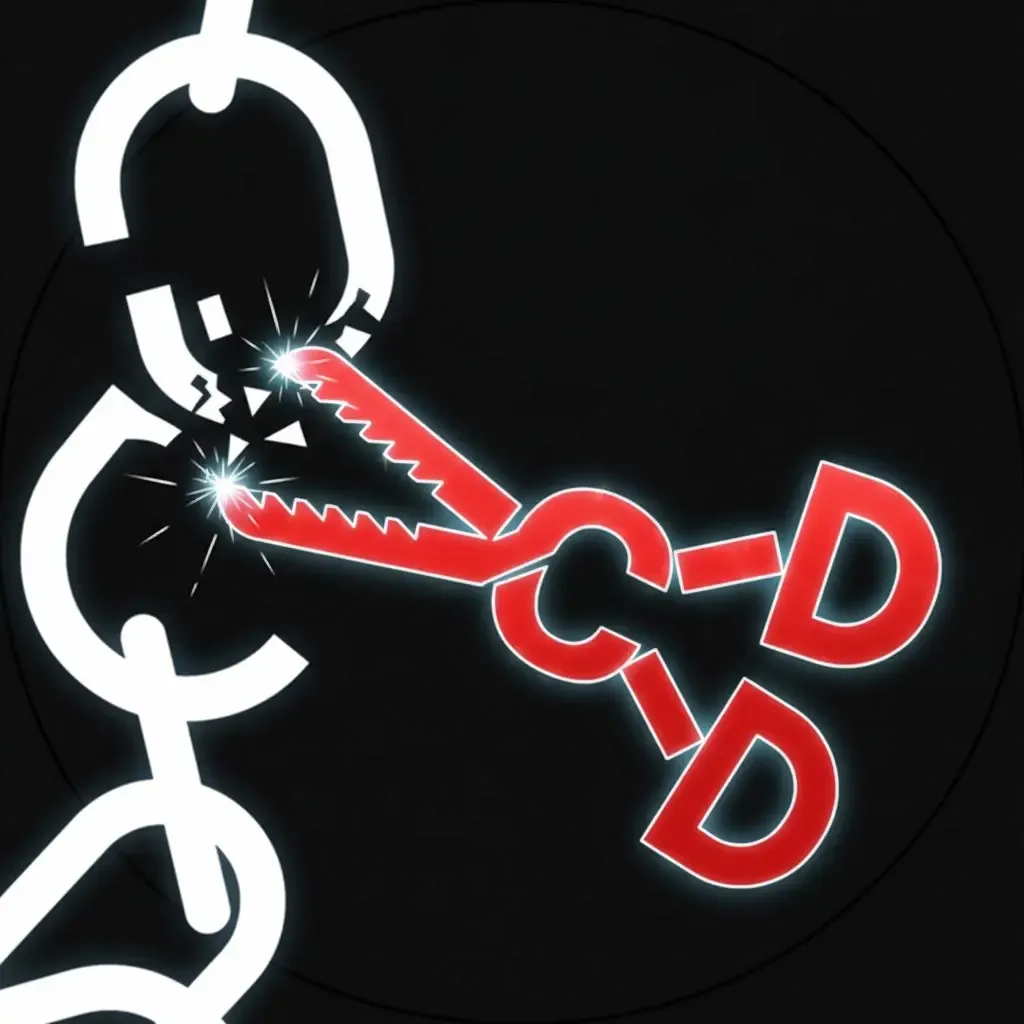
These and other examples (see Chapter 6.3 and 6.4 in the book) suggest that lipid peroxidation is not a downstream component, but one of the driving forces behind all these different manifestations of our bodies' age-related decline.
One more example to prop up this big statement. Traumatic brain injury (TBI) is known to involve LPO products attacking the Tau protein as one of the very first steps. Years later this initiating event can lead to Parkinson's (famously affecting Mohammed Ali), or Alzheimer's (Sugar Ray Robinson), or ALS (Lou Gehrig), pointing to LPO being the common denominator of these pathologies…
Therefore, trying to prevent all these pathologies, acting through a similar mechanism, may be not a bad idea.
Get Chapter 1 free
The book’s opening — Van Gogh, rancid oils, and the chain reaction that ages every cell. Free, instant download.
Instant download. Occasional emails about the science — unsubscribe anytime. See our privacy policy.
Want the full picture?
This article covers just one piece of the puzzle. The book connects all the dots: from the chemistry of aging to the deuterium approach.